

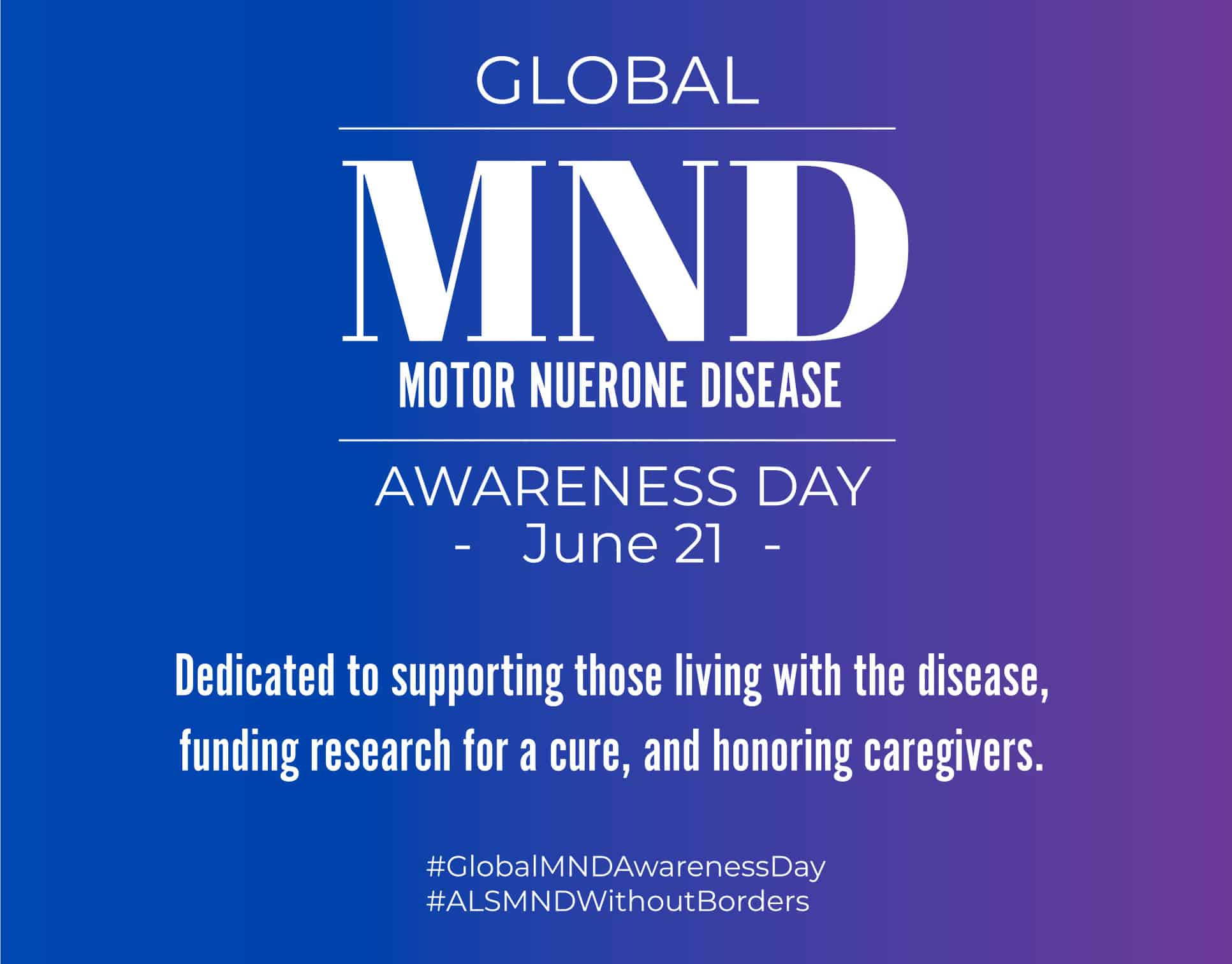
Motor neurone disease (MND) is a progressive neurological condition that affects the nerves responsible for controlling voluntary muscles. As the disease advances, many people experience weakness in the muscles involved in speaking, chewing and swallowing. This swallowing difficulty, known as dysphagia, is one of the most challenging aspects of MND and can have a significant impact on nutrition, hydration and medication management.
Dysphagia is particularly common in people with bulbar involvement, where the muscles of the mouth and throat are affected. Individuals may find it difficult to swallow tablets and capsules, manage saliva, or safely consume food and fluids. Symptoms can include coughing or choking during meals, a sensation of food becoming stuck, prolonged eating times, and unintentional weight loss.
While much attention is rightly focused on maintaining adequate nutrition and hydration, medication administration is another critical consideration. Many people living with MND rely on multiple medications to manage symptoms, support respiratory function, control excess saliva, relieve muscle cramps, or address other health conditions. When swallowing becomes difficult, taking traditional oral medications can become stressful, uncomfortable, and in some cases unsafe.
Historically, caregivers and healthcare professionals have sometimes resorted to crushing tablets or opening capsules to facilitate administration. However, this approach is not always appropriate. Certain medications are designed with specialised release mechanisms or coatings that may be altered when crushed, potentially affecting efficacy, safety, or absorption.
This is where innovative medication administration technologies can play an important role. Medasyst® technology provides a practical solution by enabling medications to be converted into a smooth, liquid formulation suitable for administration when swallowing difficulties are present. By creating a consistent liquid preparation, the process of medication delivery can become easier for both patients and caregivers while helping to support accuracy and compliance.
For individuals with dysphagia, liquefied medications may reduce the anxiety and discomfort often associated with swallowing multiple tablets each day. Instead of struggling with solid dosage forms, medications can be administered in a format that is easier to swallow and more compatible with modified diets often recommended by speech pathologists.
The benefits may be even greater for people who require enteral feeding through a gastrostomy or other feeding tube. Feeding tubes are commonly introduced in MND when nutritional intake becomes difficult or unsafe. Medication administration through feeding tubes can present challenges, particularly when tablets need to be crushed or dissolved manually. Inconsistent preparation methods can increase the risk of tube blockages, dosing variability, and additional workload for caregivers.
By producing a uniform liquid medication, Medasyst® technology can help streamline administration through feeding tubes while reducing some of the practical challenges associated with traditional tablet manipulation. This can contribute to a more efficient medication routine and support continuity of care in both home and healthcare settings.
As the prevalence of dysphagia increases throughout the progression of MND, healthcare teams continue to seek solutions that preserve comfort, dignity and quality of life. Speech pathologists, dietitians, nurses, pharmacists and physicians all play an important role in helping patients adapt to changing needs.
Medication administration should be considered an integral part of this multidisciplinary approach. Technologies that facilitate safe and effective delivery of medicines offer an opportunity to reduce treatment burden and improve the day-to-day experience of living with MND. While no single intervention can eliminate the challenges of dysphagia, innovative solutions such as Medasyst® provide valuable support in ensuring that essential medications remain accessible, manageable and aligned with the needs of patients and caregivers alike.
Disclaimer: This article is intended as a general informational guide only and should not be relied upon as medical, pharmaceutical, or healthcare advice. MEDASYST does not provide medical or health advice, diagnosis, or treatment recommendations. Medication suitability, administration methods, and treatment decisions should always be discussed with a qualified healthcare professional. Patients and caregivers should consult their doctor, pharmacist, speech pathologist, nurse, or other appropriate healthcare provider before making any changes to medications, feeding tube administration practices, or healthcare management plans.