


Medasyst MyCare offers a dysphagia solution for people experiencing swallowing difficulties, clinically known as Dysphagia. Dysphagia presents a significant healthcare challenge, affecting nutrition, hydration, independence, and dignity. Taking tablets or solid medications can be particularly difficult for these individuals. The Medasyst MyCare Unit directly addresses this medication barrier, providing a safer and smarter way for people who struggle with swallowing pills.
In this article, we will explore:
- What dysphagia is, its prevalence, and why it is serious
- The challenges of taking solid medications for people with swallowing difficulties
- How the Medasyst MyCare Unit works and why it is a game-changer
- Practical benefits for patients, carers, and healthcare systems
- Key considerations for anyone supporting people with dysphagia
Understanding Dysphagia: A Hidden but Critical Problem
What is dysphagia?
Dysphagia is the medical term for difficulty swallowing — the process of moving food, liquid, or medication safely from the mouth to the stomach. The act of swallowing involves complex coordination of muscles, nerves, and structures in the mouth, throat (pharynx), voice box (larynx), and oesophagus. Mayo Clinic, Stanford Medicine
Why it matters
Dysphagia can have serious consequences, including:
- Malnutrition and dehydration due to difficulty or avoidance of food and liquids ASHA
- Aspiration, where food, liquid, or medication enters the airway, potentially leading to pneumonia or lung infections Johns Hopkins Medicine
- Reduced quality of life and social isolation because eating or drinking becomes stressful ASHA
- Increased caregiver burden and healthcare costs ASHA
Causes and prevalence
Dysphagia is more common than many realize and can occur in:
- Older adults experiencing age-related changes Mayo Clinic
- People with neurological conditions such as stroke, Parkinson’s disease, or dementia Stanford Medicine
- Individuals with structural or muscular disorders of the throat or oesophagus Merck Manuals
- Residents of long-term care facilities or people with chronic health conditions
Types & classification
Dysphagia is often classified based on where the swallowing problem occurs:
- Oropharyngeal (mouth/throat) — difficulty initiating a swallow or moving food to the oesophagus Mayo Clinic McPress
- Oesophageal — difficulty passing food through the oesophagus, often described as food feeling “stuck” Northwestern Medicine
Given the prevalence and risks, innovation in dysphagia care is essential.

The Medication Challenge in Dysphagia
Swallowing solid medications like tablets and capsules can be a major hurdle for people with dysphagia. Challenges include:
- Physical difficulty: tablets can feel large, get stuck, or require excessive effort to swallow
- Risk of choking, aspiration, or discomfort
- Conventional solutions like crushing tablets or hiding them in food can compromise dosage accuracy, bioavailability, or safety
- Carers and clinicians may lack resources to manage individualised medication solutions
This gap highlights the need for a reliable, safe method to ensure correct medication delivery for those unable to swallow tablets.
Introducing the Medasyst MyCare System: Tailored Solution for Swallowing Difficulties
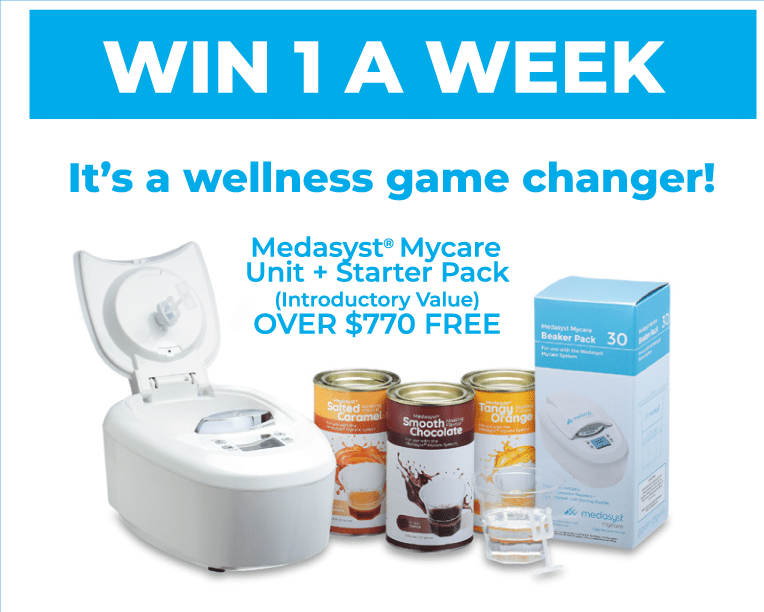
The Medasyst MyCare Unit by Medasyst Pty Ltd directly addresses this challenge. As described on their site:
“Discover MyCare by Medasyst — the ultrasonic tablet liquefier that transforms pills into ready-to-drink liquid. Perfect for dysphagia, aged care, and home care medication solutions.”
How it works
- Uses gentle ultrasonic energy (not heat) to liquefy tablets or capsules into a precise liquid dose
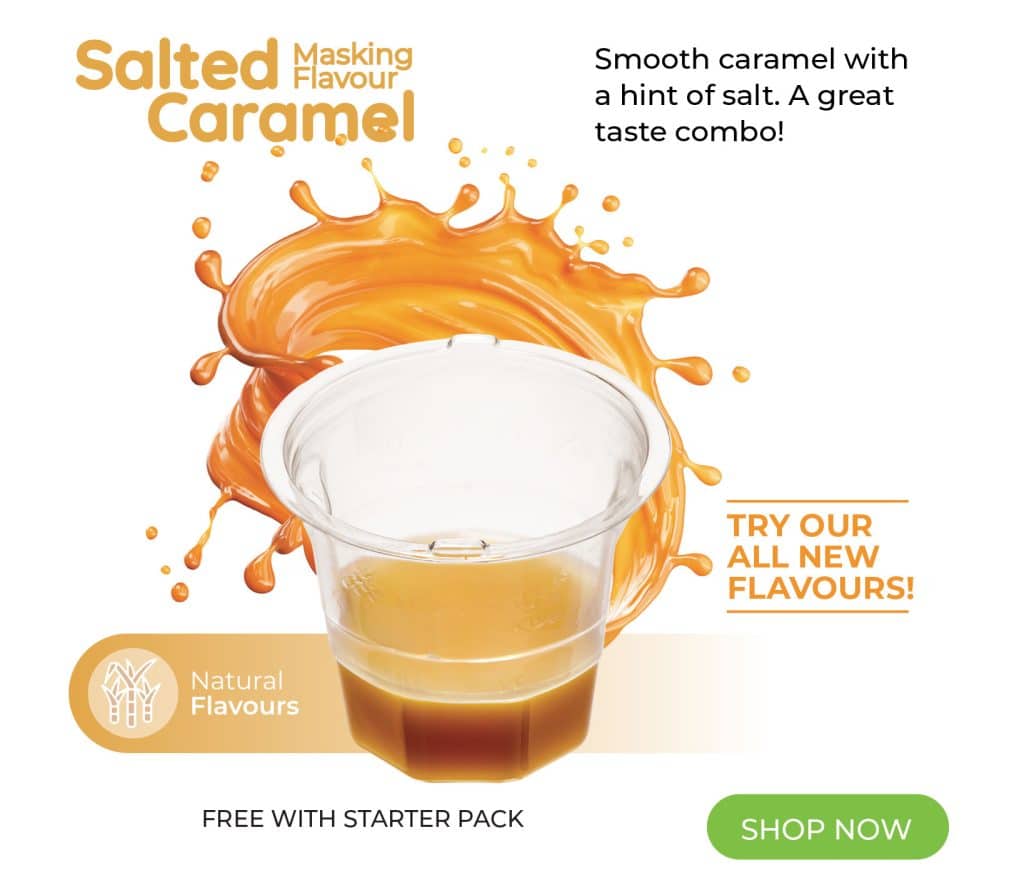
- Includes a dedicated UltraClear™ Daily Disposable Beaker and masking flavours like Smooth Chocolate, Salted Caramel, and Tangy Orange
- Designed for home, aged-care, or clinical use, supporting medication routines safely and consistently
Why this matters
- Safety: Smooth liquid doses reduce choking and aspiration risk
- Adherence & dignity: Simplifies medication intake, restores independence, and reduces stress
- Accuracy: Preserves drug integrity and ensures correct dosing compared to crushing tablets
- Ease for carers & clinicians: Integrates into care routines, supports multiple medications safely
Real-World Benefits & Impact
For patients
- Confidence in taking medications without fear of choking or refusal
- Enhanced comfort and improved medication experience via masking flavours
- Better adherence to medication regimens, supporting health outcomes
For carers & aged-care settings
- Reduced stress and risk compared to ad-hoc pill-crushing
- Standardised approach improves safety governance
- Time savings and fewer complications such as aspiration or hospitalisation
For the healthcare system
- Potential reduction in costs related to dysphagia complications
- Improved medication adherence can reduce readmissions and medication-failure events
- Addresses needs in aged-care, home-care, and chronic disease management, aligning with broader healthcare goals
Spotlight on Medasyst in Australia
Medasyst is positioned to serve the Australian healthcare, aged-care, and home-care markets. Highlights include:
- MyCare System designed for hard-to-swallow medications and supplements Medasyst
- Ongoing consumable support (beakers, flavours) and usage guidance for home-care Medasyst
- Clear value proposition for aged-care homes and home-care patients with swallowing difficulties
Professionals in aged-care, home-care, pharmacy, or nursing can integrate the MyCare System into patient care plans effectively.

Key Considerations When Implementing
When deploying the MyCare system, consider:
- Medication compatibility
- Check with a pharmacist or prescriber that the tablet/capsule can be safely liquefied
- Avoid extended-release or enteric-coated medications unless approved
- Clinical oversight & documentation
- Document form changes, administration route, and timing in the patient’s medication plan
- Monitor effectiveness and any variation in absorption or side effects
- Training & safe use
- Ensure carers and staff are trained on unit use, beaker handling, flavour mixing, and cleaning
- Understand hygiene, cross-contamination, and storage requirements
- Patient-centred approach
- Incorporate patient and family preferences for flavour, taste, and comfort
- Monitor swallowing ability and cognition for improvement or decline
- Review & audit
- Track medication adherence, choking/coughing events, nutrition, and aspiration risk
- Update swallowing-risk assessments and liaise with allied health professionals as needed
Why This Matters More Than Ever
With ageing populations, chronic diseases, and polypharmacy, managing dysphagia and medication safely is increasingly important:
- Traditional dysphagia interventions focus on food texture, thickened liquids, and swallowing rehab Verywell Health
- Medication swallowing is often managed with risky “crush-and-hide” approaches
- Medasyst MyCare represents personalised, dignified, and safe medication delivery for vulnerable patients
- Supports broader trends in home-care innovation, consumer-centric health technology, and medication safety
Final Thoughts
For anyone with swallowing difficulties, every tablet can feel like a hurdle. The Medasyst MyCare system transforms tablets into easy-to-swallow liquids, reducing risks, easing care, and restoring dignity.
For healthcare professionals, it is more than a device — it is a practical, scalable solution bridging the gap between awareness of swallowing challenges and effective, safe medication management.
Further Reading & Sources
- Mayo Clinic: Dysphagia – Symptoms & Causes
- Cleveland Clinic: Dysphagia (Difficulty Swallowing)
- American Speech-Language-Hearing Association (ASHA): Adult Dysphagia – Clinical Topics